
Surfing During the Vietnam War Initiated the Realization that there was a
Healing Power in the Act of Waveriding
Surfing during the Vietnam War was the first time that medical science (and surfers themselves) began understanding an amazing consequence: not only the joys of simply riding a wave, but the actual healing power that waveriding could bring, both physically and psychically.
This little-known but fascinating story of surfing in Vietnam is a unique surfing experience of the era – how soldiers and sailors were able to use surfing as a healing mechanism both during the war and after they returned.
The war in Vietnam came at a time of great upheaval both for surfing and in the world at large. The decade from 1965 to 1975 saw a massive and radical change – in politics, surfboard design, music and culture. The War’s effects on the surfers who served in that conflict, and the changes that occurred in surfing during the years of conflict were immense.
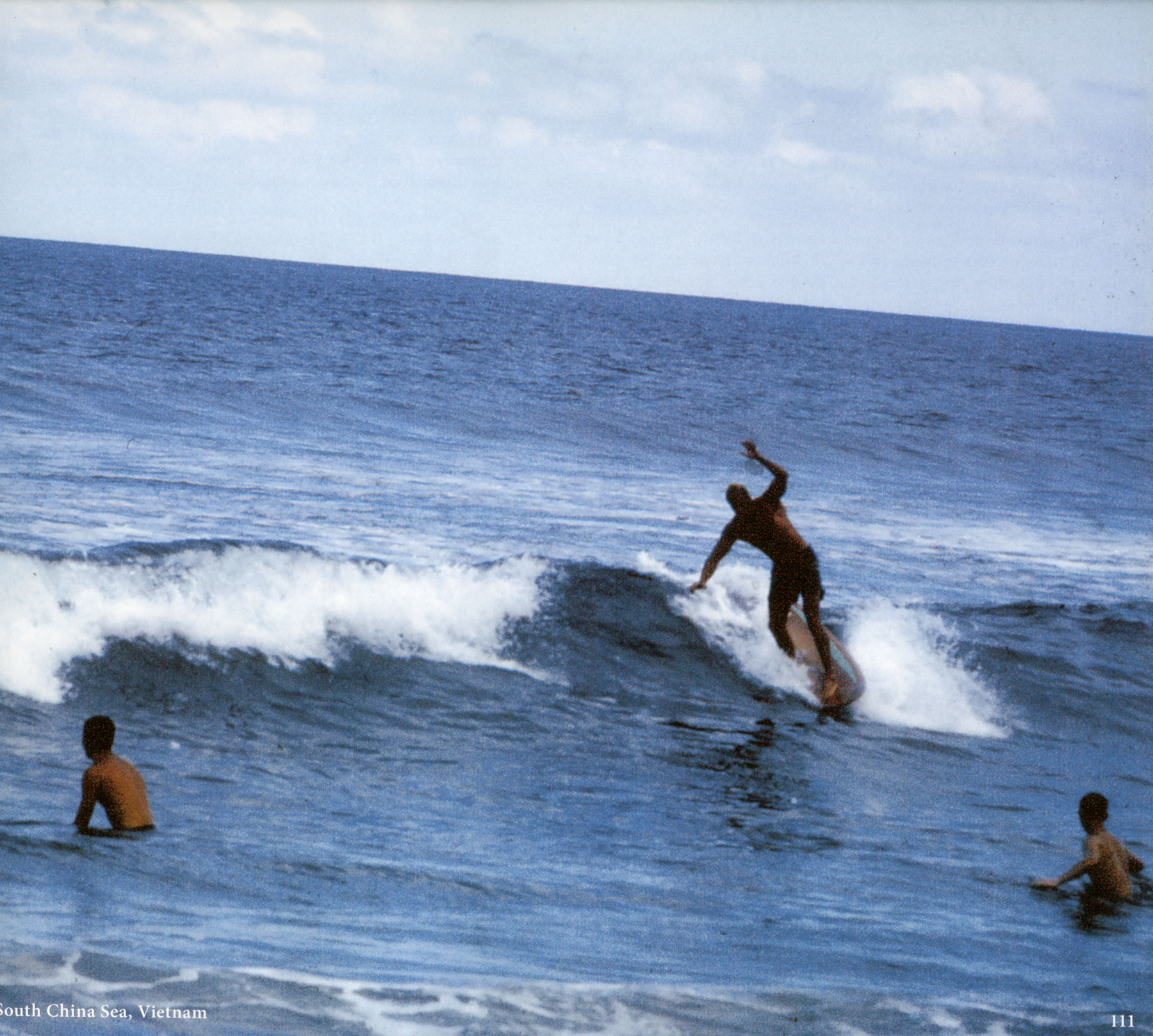
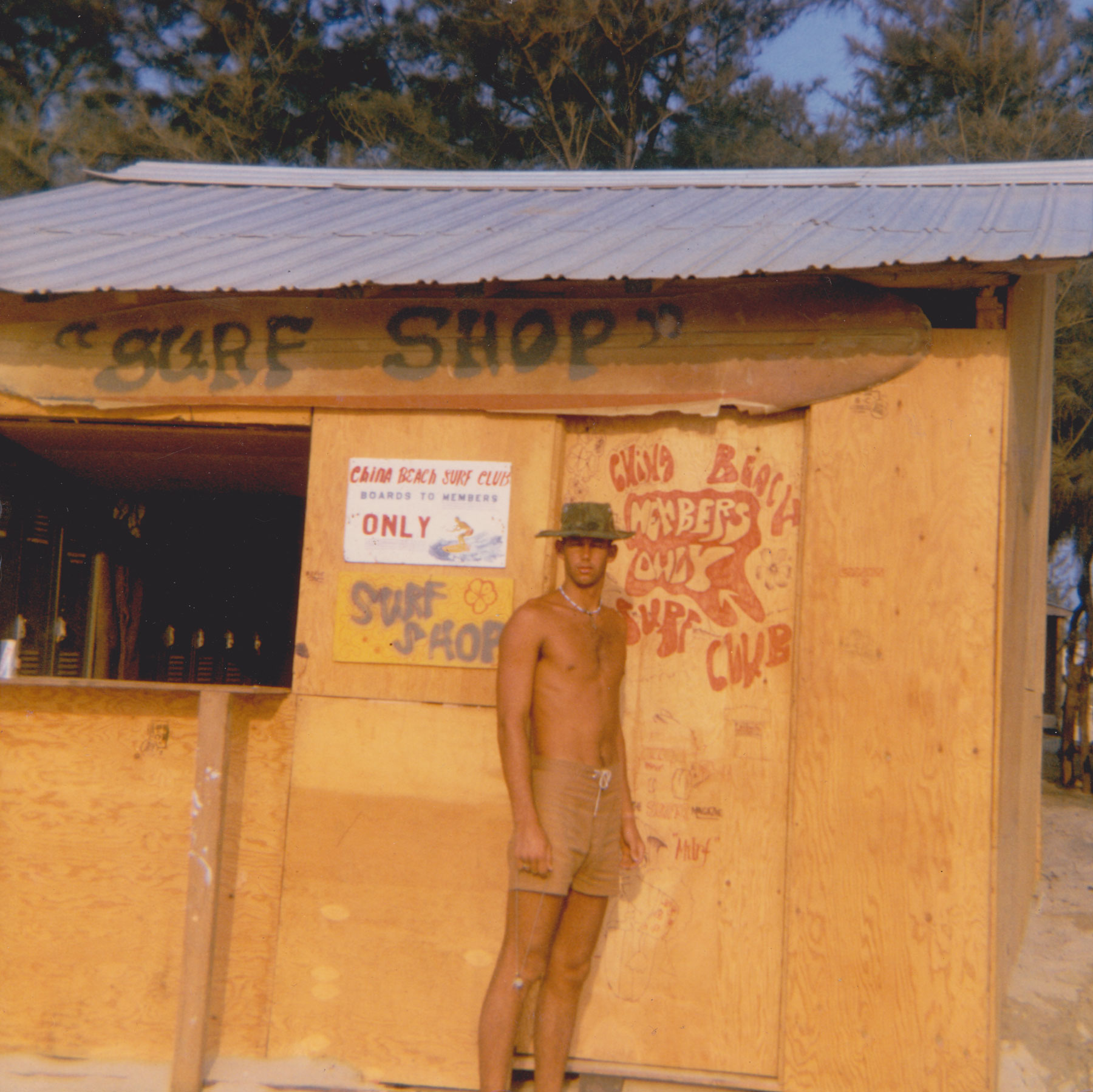
It was sometimes called the “surfer’s war”, because so many young me who surfed were such good candidates for the service. They were incredibly fit, confident, and used to being in the uncomfortable conditions – used to being cold, knowing the feeling of fear – from big waves, strong currents, and dangerous bottoms. The average age of those who served in Vietnam was 19 – much younger than WWII or Korean conflict before them. Many were not in school, and nearly all were not yet married with children.
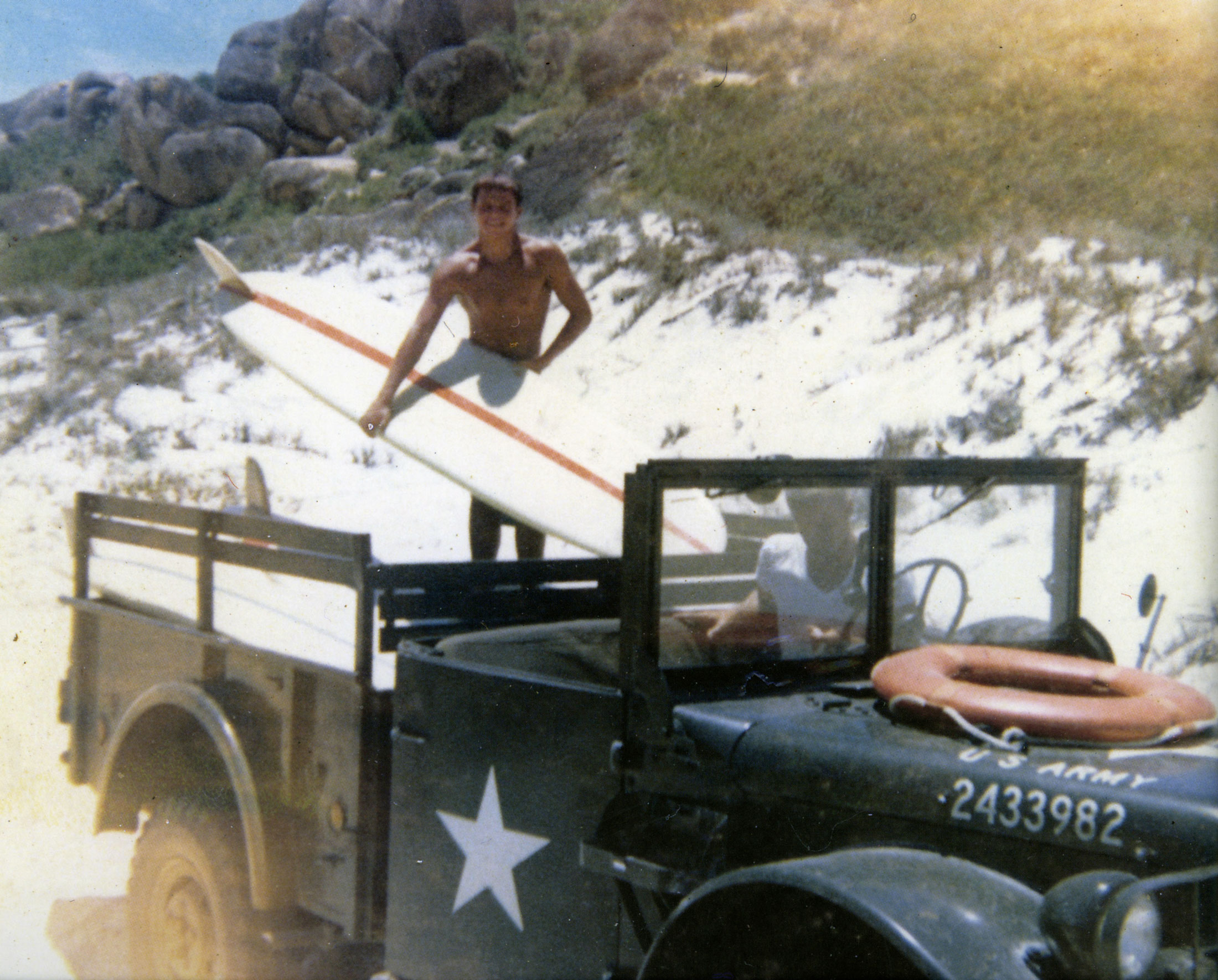
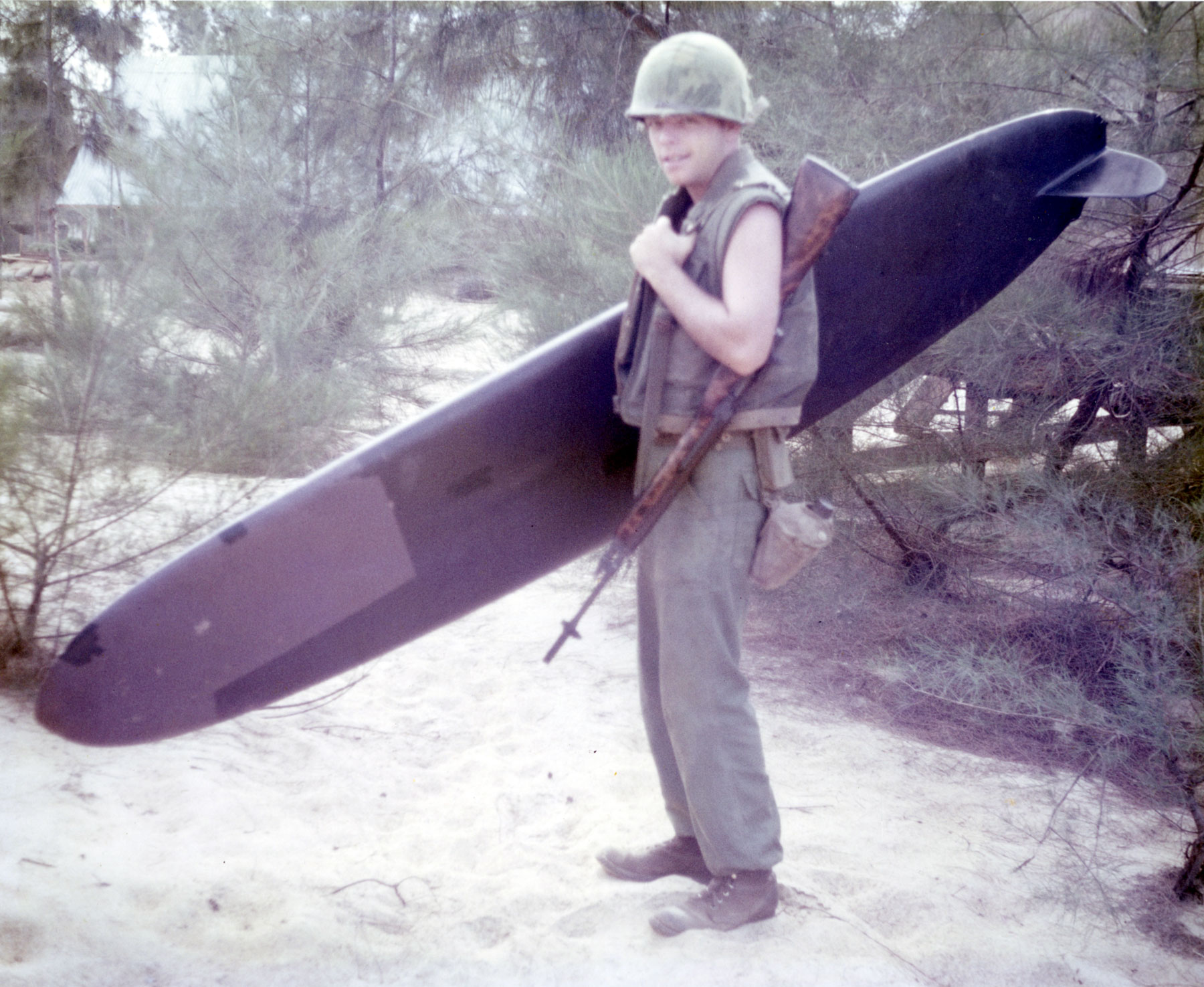
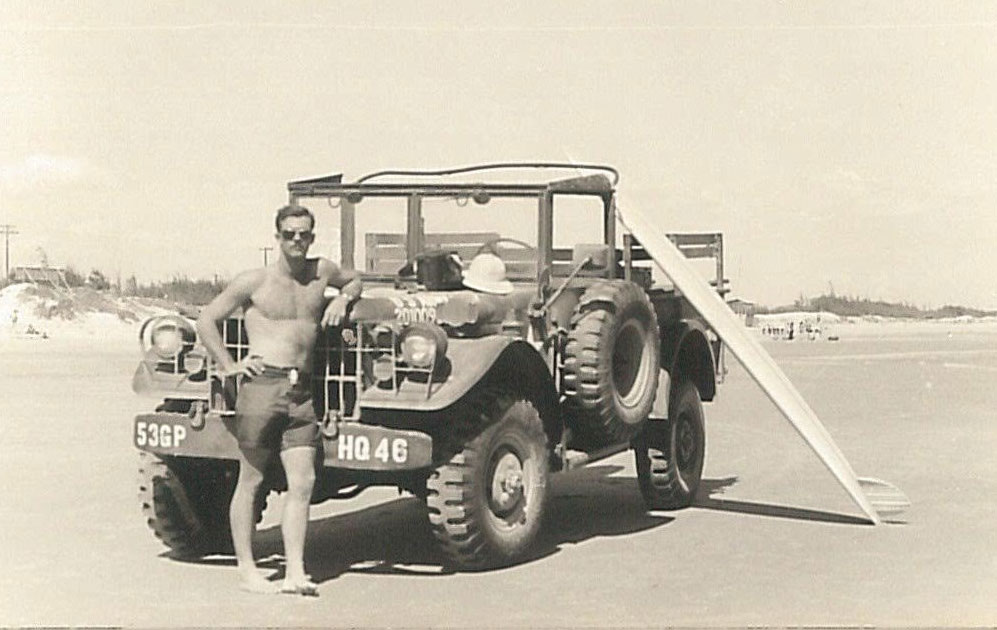
More than anything their experience of reading the conditions – taking note of the wind, feeling the temperature, and analyzing the tiny bumps hundreds of yards away, was a huge asset in the field of combat. Their willingness to overcome challenges in any situation by sheer “go for it” attitude was greatly valued. They may have been reluctant draftees, but once they were faced with a choice, they took it on as if they were dropping in at Waimea.
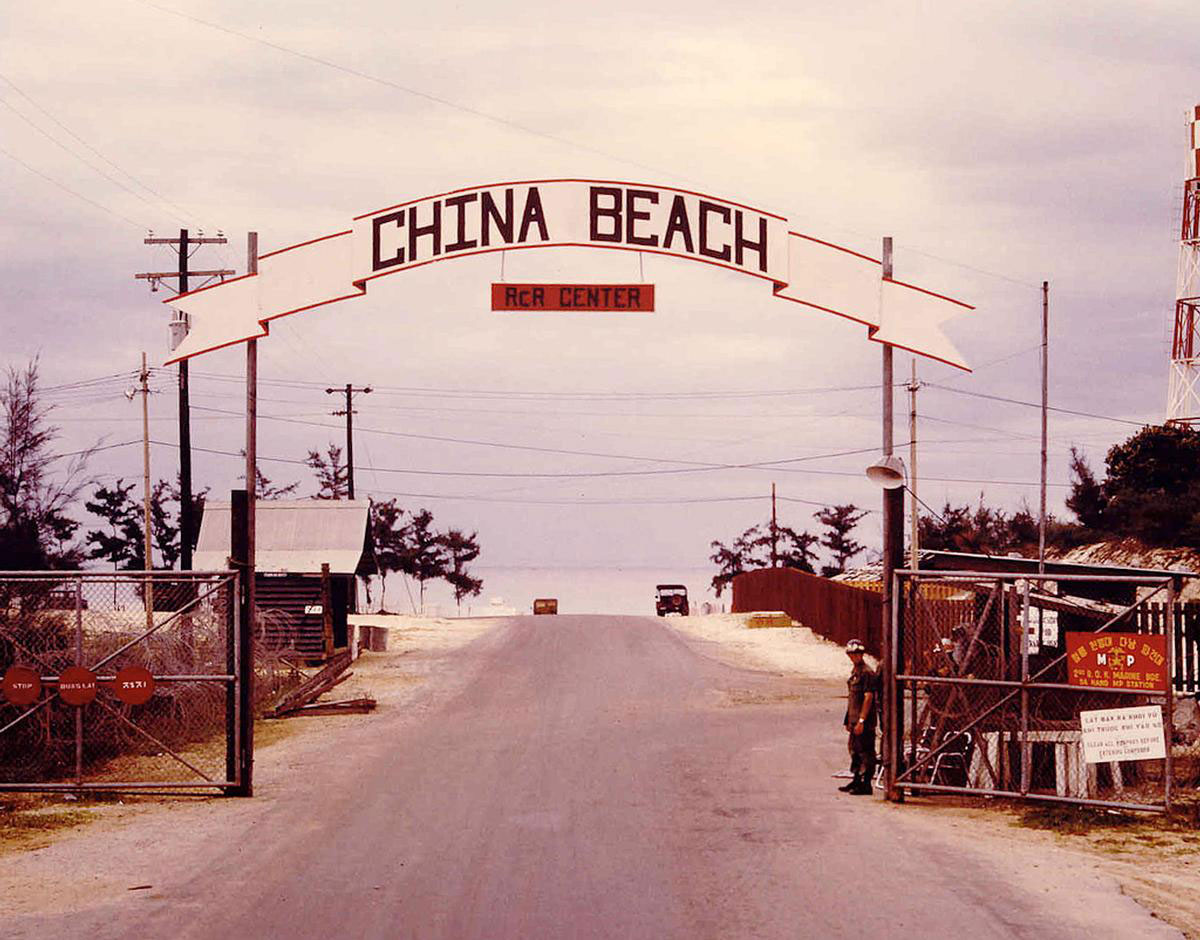
The rest and recuperation stations in Vietnam, like China Beach, a wave strewn coastal sanctuary that provided a short but badly needed respite from combat. It was also the title of a highly authentic dramatic television series which made China Beach a household name to a public who had never encountered the actual Southeast Asia locale.
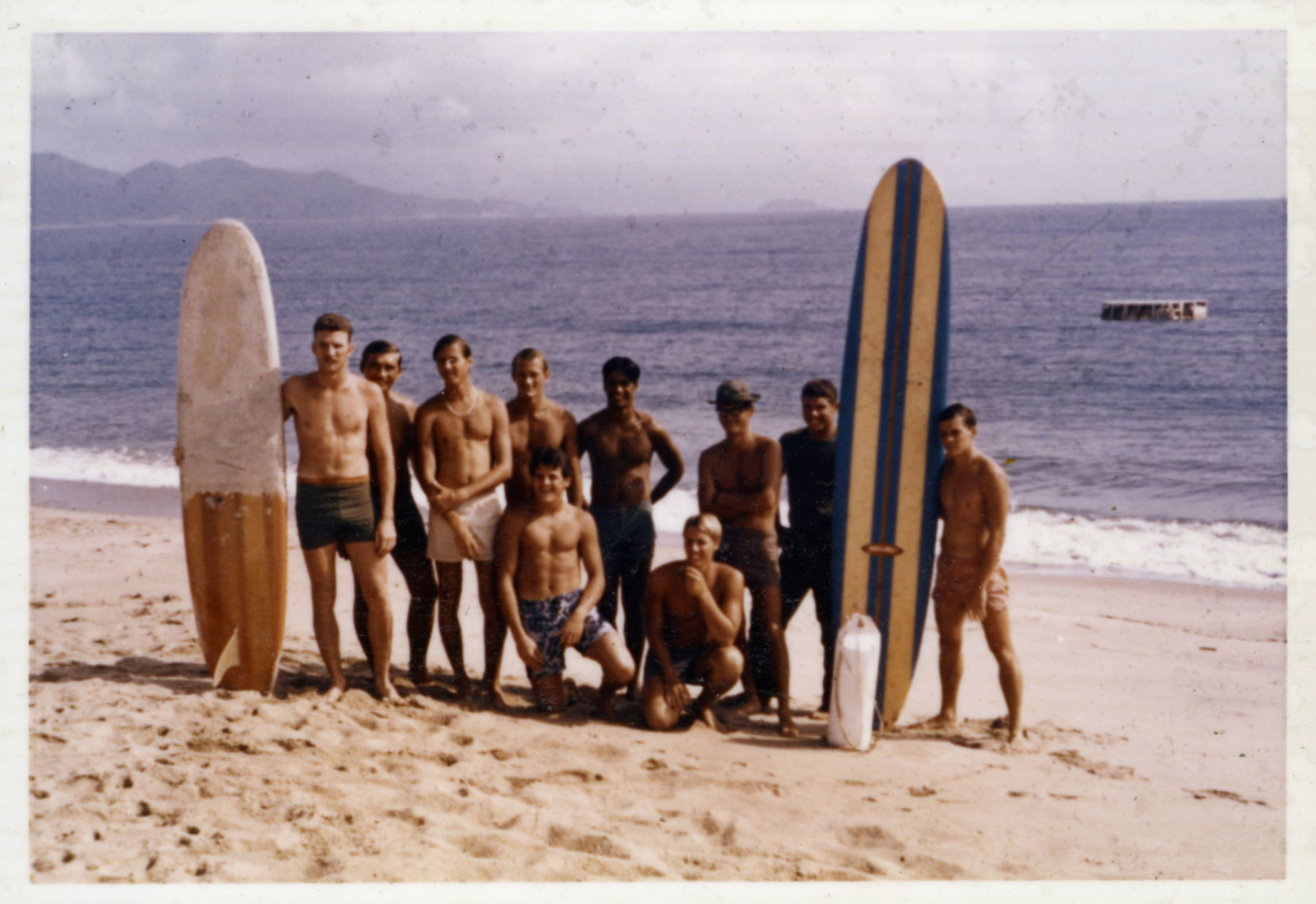
This break in the pressure of combat soon became obvious . It was a powerful asset in the healing process. The same was true for the returning veterans: often the one thing that seemed like home was the familiar joy of catching a good session with friends.
While we honor the veterans of all American wars, the story of the Vietnam War is about the tens pf thousands of surfers who served there – the lifeguards, nurses, Australian servicemen, surfboard shapers, and wave riders. Along with honoring these individuals, we celebrate how surfers got their boards to Vietnam, the hope and renewal of surfers on the home front, and how surfing veterans from Vietnam almost to a man seen to agree that surfing helped save their lives both while “in country” and upon their return home.
Most of all on this day we remember their sacrifice and the healing power of waveriding for which the Vietnam War and surfing will forever be linked.
Jim Kempton,
Executive Director, California Surf Museum
