
How a Princess, three Princes, a Duke and a Hawaiian Royal Minister’s grandson introduced surfing around the globe.
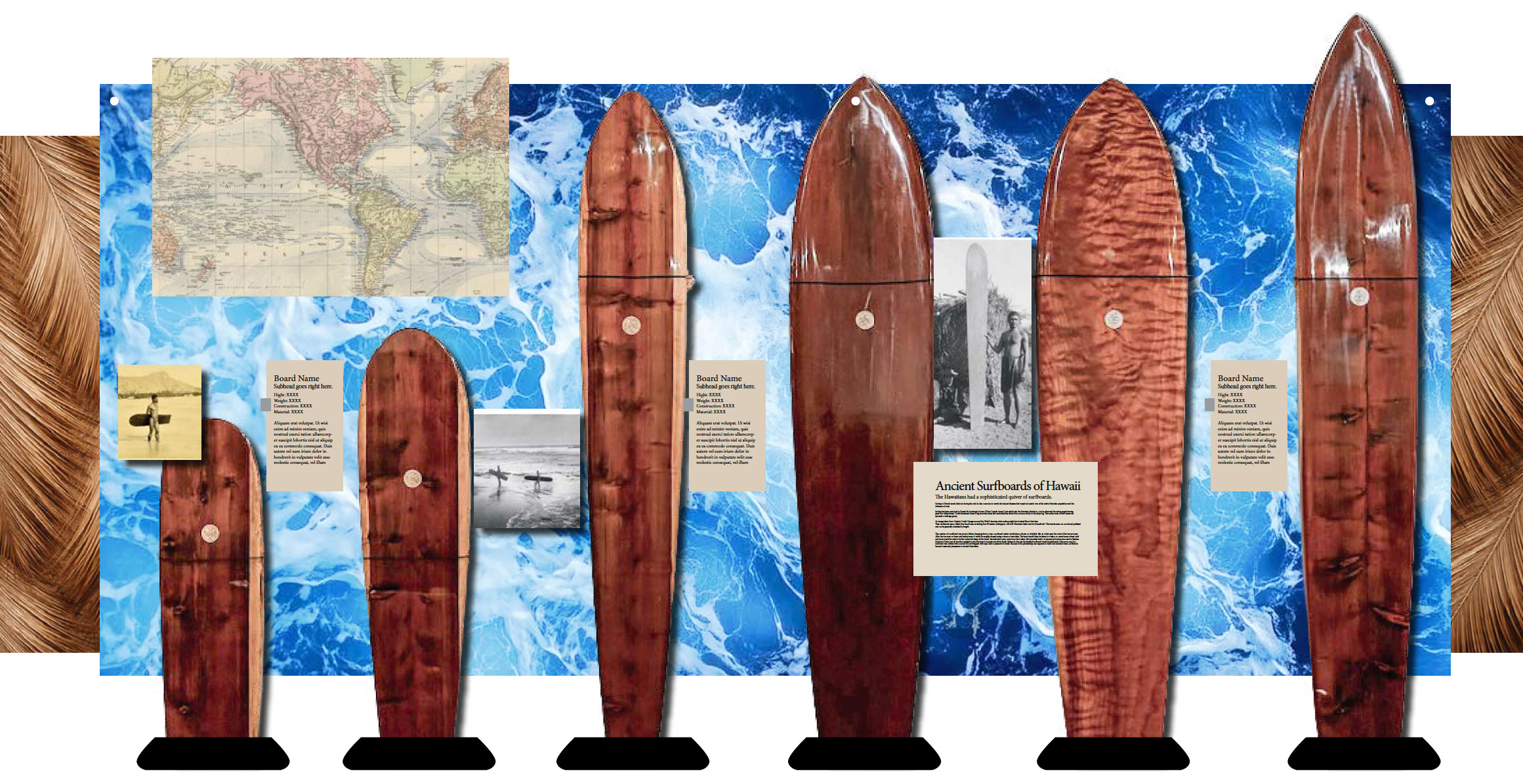
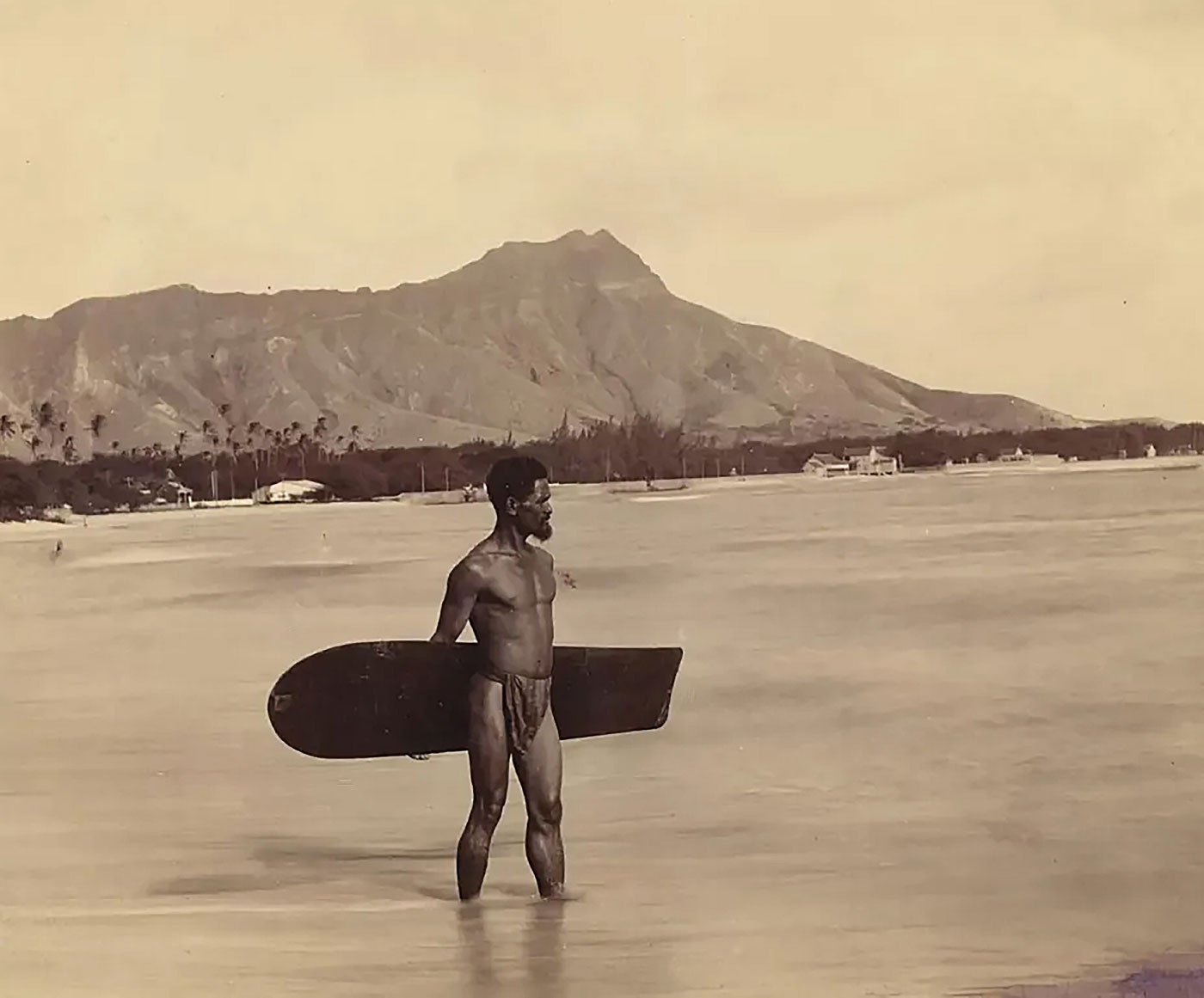
Ancient Hawaii developed the act of waveriding more than 600 years before European contact. When Captain Cook christened the Sandwich Islands in 1778, his ship’s physician Dr. William Anderson noted the act of waveriding in his ship’s log. He described it as what appeared to be a “supreme pleasure.”
It was not an understatement. Pacific Islanders had been catching swells in both Tahiti and Hawaii for centuries. They were led primarily by the island’s sovereigns and their families. Surfing and the Hawaiian nobility are mentioned in almost every story in Polynesian oral tradition. They include feats of daring, romantic interludes, and epic sagas.
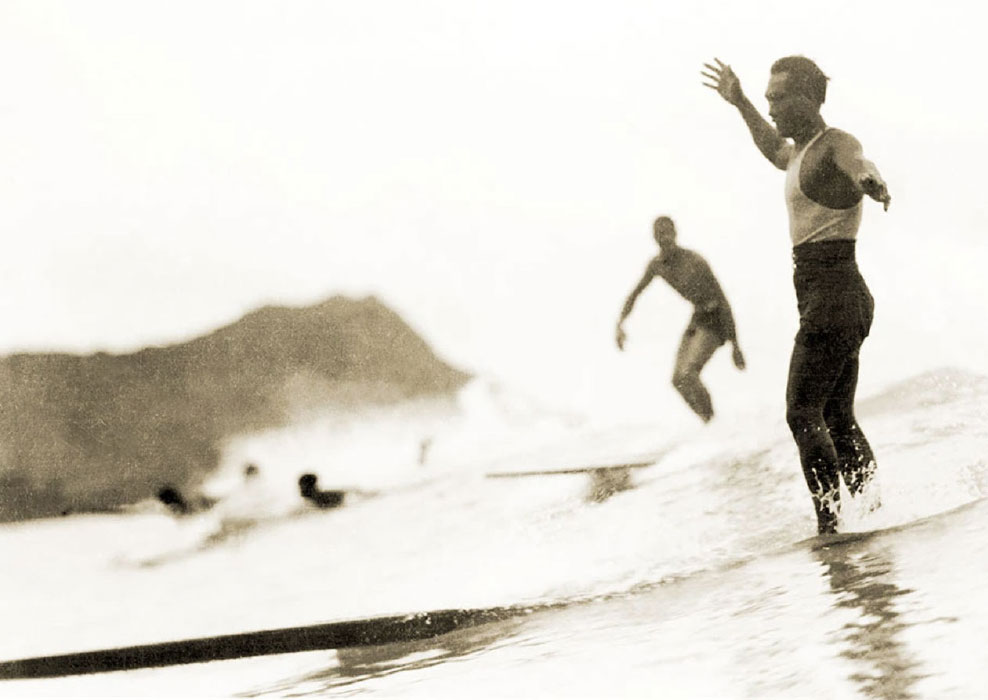
It would be more than one hundred years before surfing would spread beyond of the Pacific islands. But in the thirty years from the overthrow of the Monarchy till just after the 1912 Summer Olympics, surfing was introduced around the world. The cultural effect would not only change California but expand the experience of surfriding across the planet.
This exhibit presents the seminal period of surfing’s development and captures the essence of a moment in cross-cultural exchange. It is also a story of fascinating Hawaiian personalities in a world now almost forgotten.
The surfboards and images in this exhibit are exact replicas of the surfboards they took out in the foreign waves on three continents. Painstakingly recreated by Santa Cruz master surfboard shaper Bob Pearson, these rare wood beauties present a living piece of history.
After many visits to the Bishop Museum in Honolulu, Pearson meticulously measured and recreated exact replicas of the magnificent waveriding vehicles.
How the Royals of Hawaii introduced the Sport of Kings
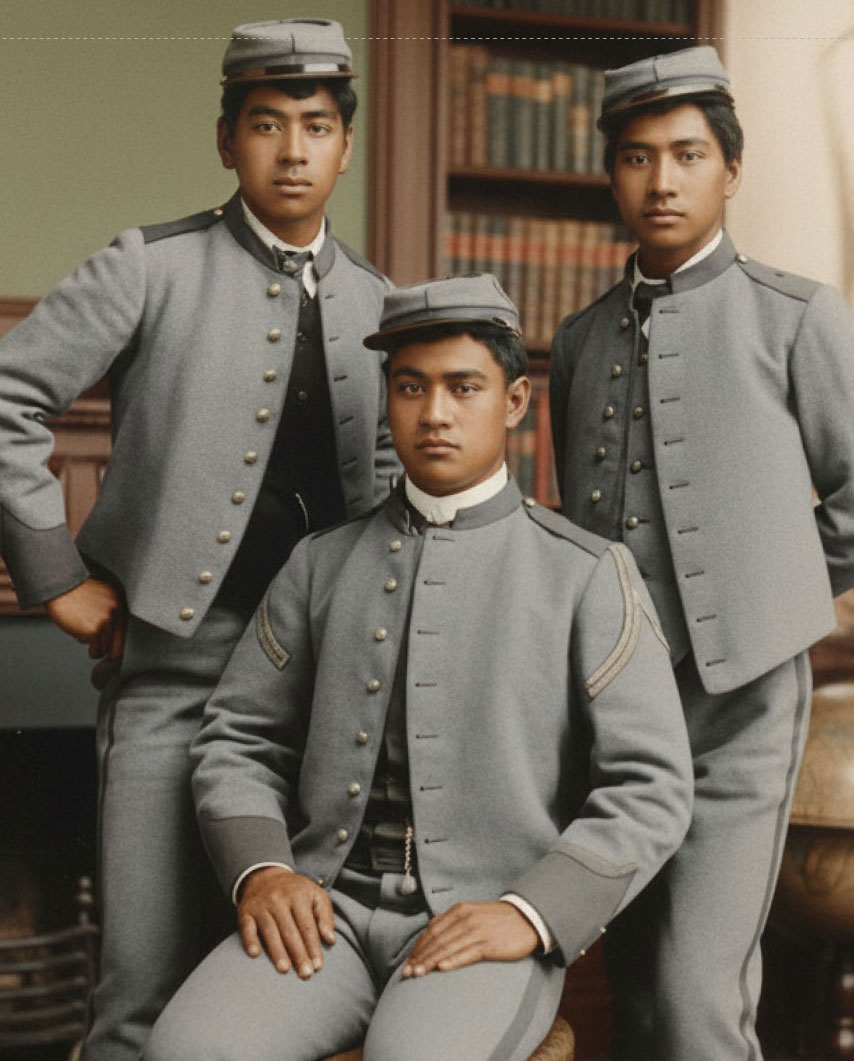
A Princess, three Princes, a Duke and a Hawaiian Royal Minister’s grandson would be the stately stars who initiated standup surfriding to Europe, Australia and the United States.
It began in 1885, when three Hawaiian Princes attending college at St. Matthews Hall military school in San Mateo, fashioned surfboards from redwood and took them out in the waves at Santa Cruz Bay, becoming the first official surfers in the Golden State.
Their surfing foray into the west coast waters was an historic event in California history, covered nationwide in the newspapers and magazines of the time.
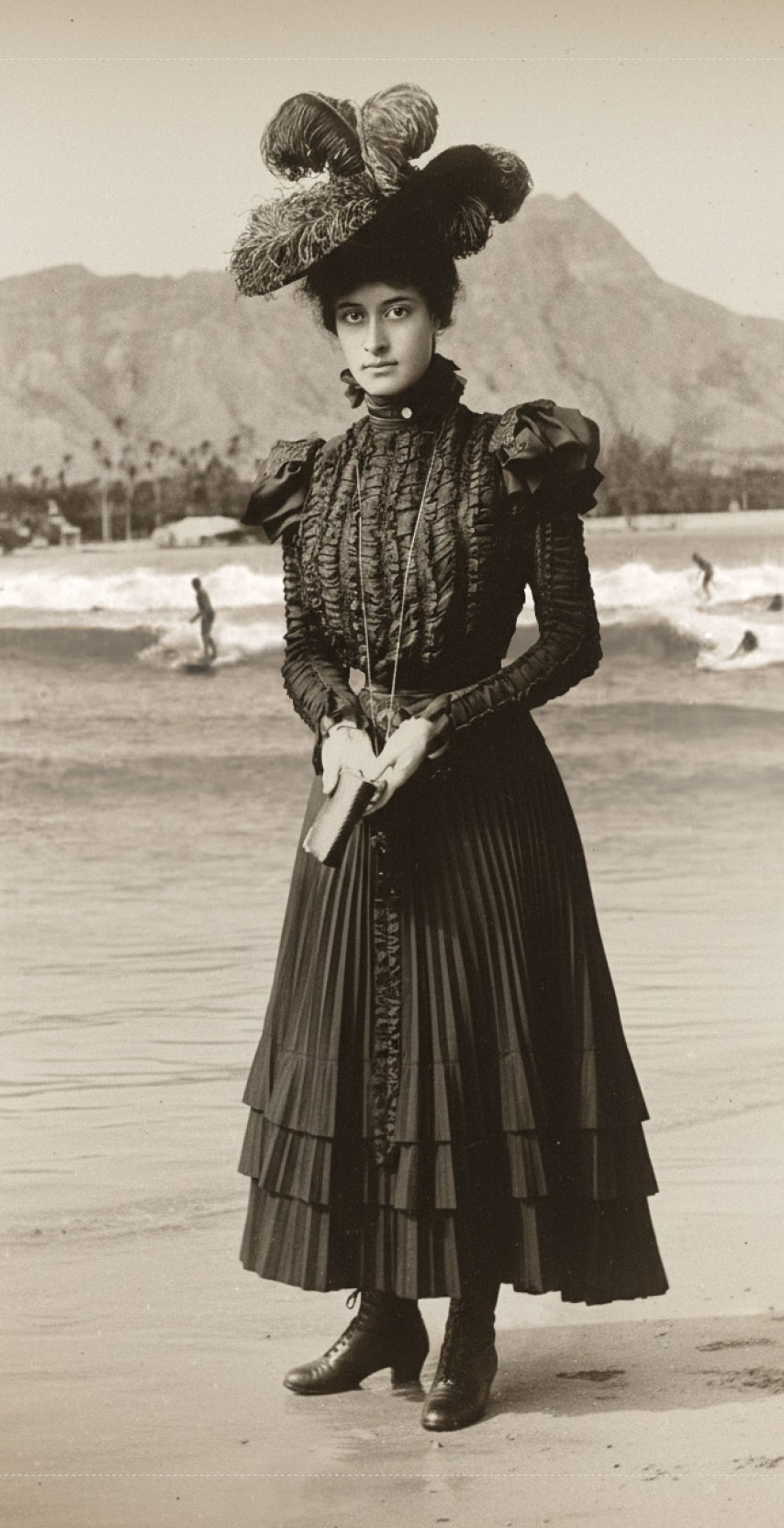
Shortly thereafter, in 1892 Princess Ka’iulani, heir to the Hawaiian Crown, was studying at Great Harrowden Hall, in Northamptonshire, England. Homesick and missing her surfing, she took trips to Brighton, on the south coast of County Sussex to ride the waves there. British beach-goers were astonished at her performances.
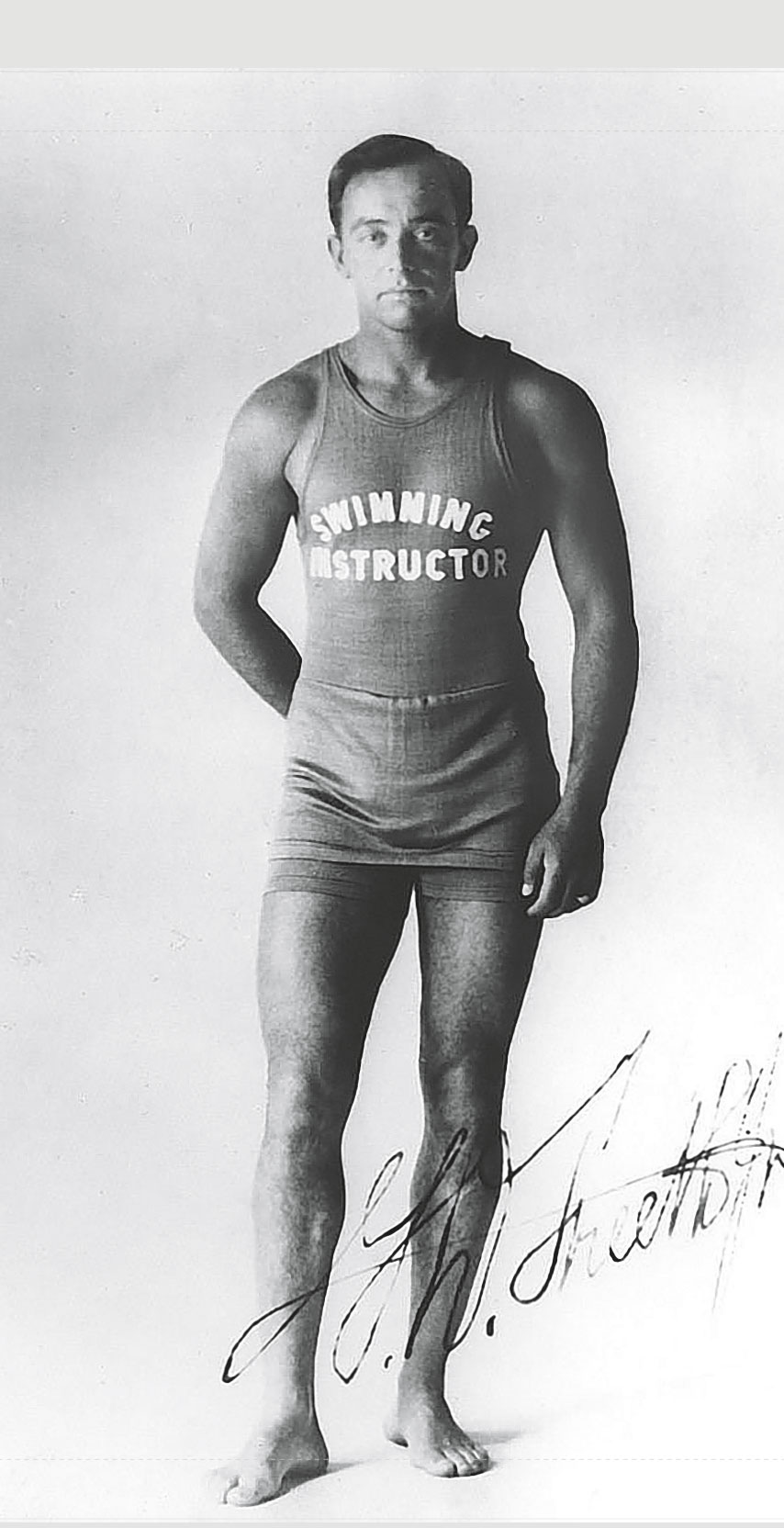
Great grandson of King Kalakaua’s minister, George Freeth was one of the finest surfers of his era. Invited by real estate and train baron Henry Huntington, Freeth’s public demonstrations of surfing along Southern California’s coast beginning in 1907, marked the inception of organized wave riding on the mainland United States.
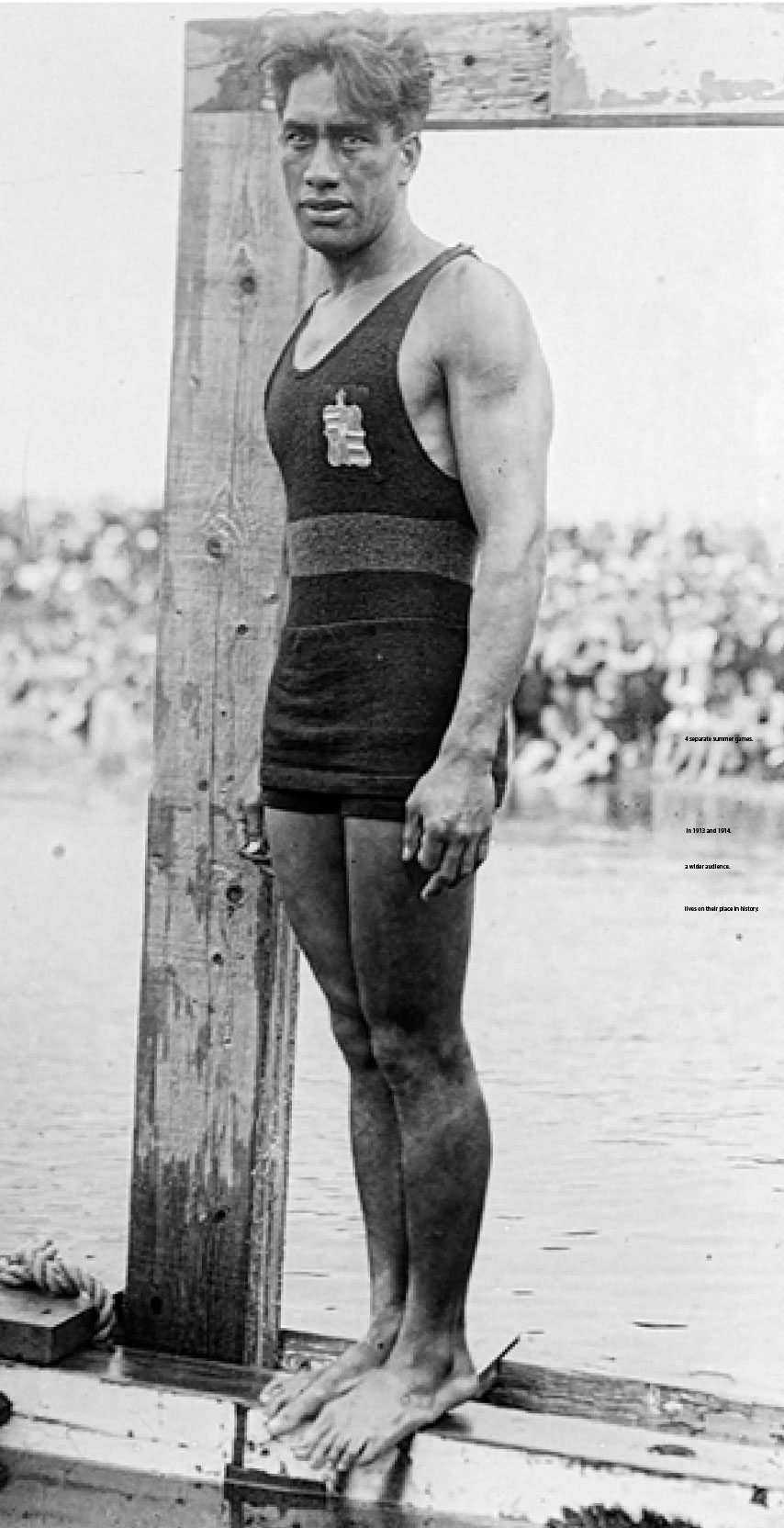
In 1914, after an unprecedented string of record-breaking Gold Olympic medals, Duke Kahanamoku set out on a world-wide tour. Duke Kahanamoku’s visit to Australia on December 23rd, 1914 was a pivotal moment in the history of surfing in that country. His arrival in Sydney, and subsequent tour of Australia not only popularized surfing but also introduced the sport to a wider international audience.
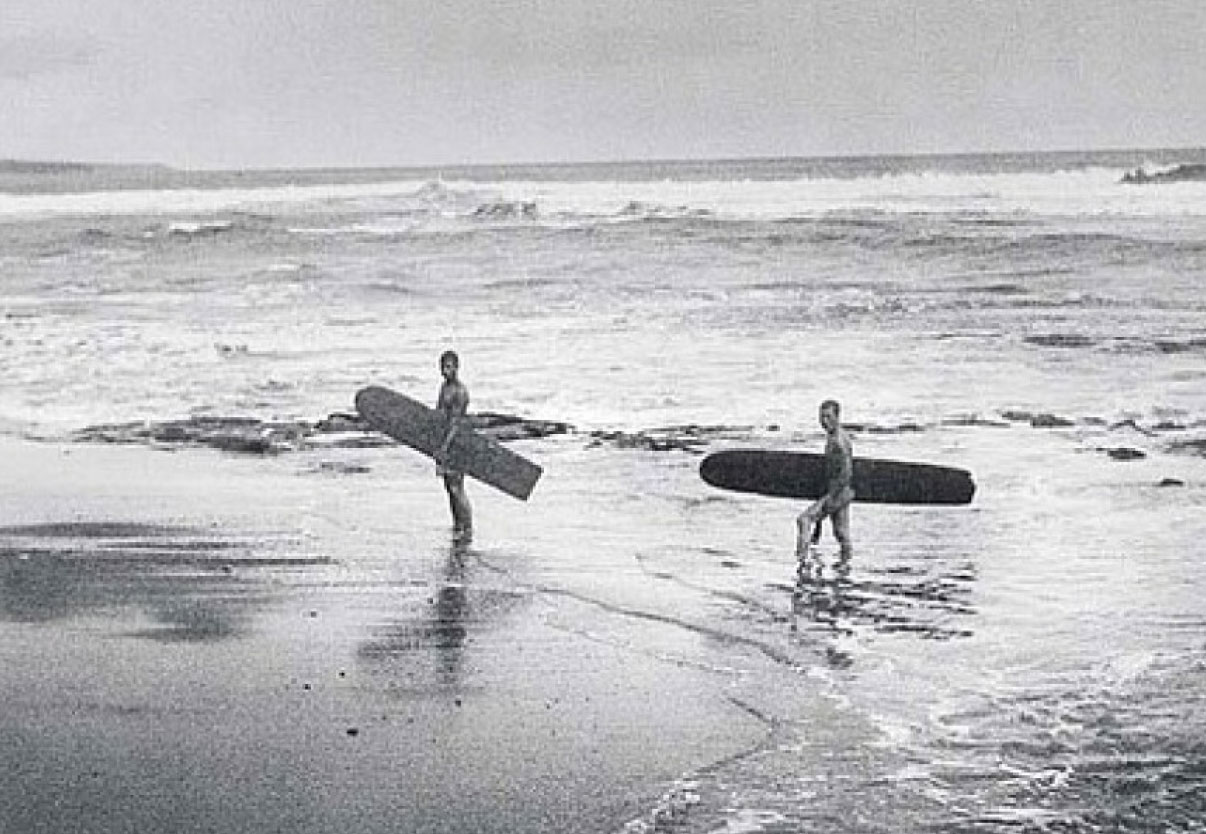
Join us in a journey back to the late 1800s, when the sport we now watch in the modern Olympics was almost unknown to the world outside Hawaii.
