
Freedom Flowers
How the spirit of Hawaiian aloha graced Martin Luther King and the Selma freedom marchers at the bridge over troubled waters.
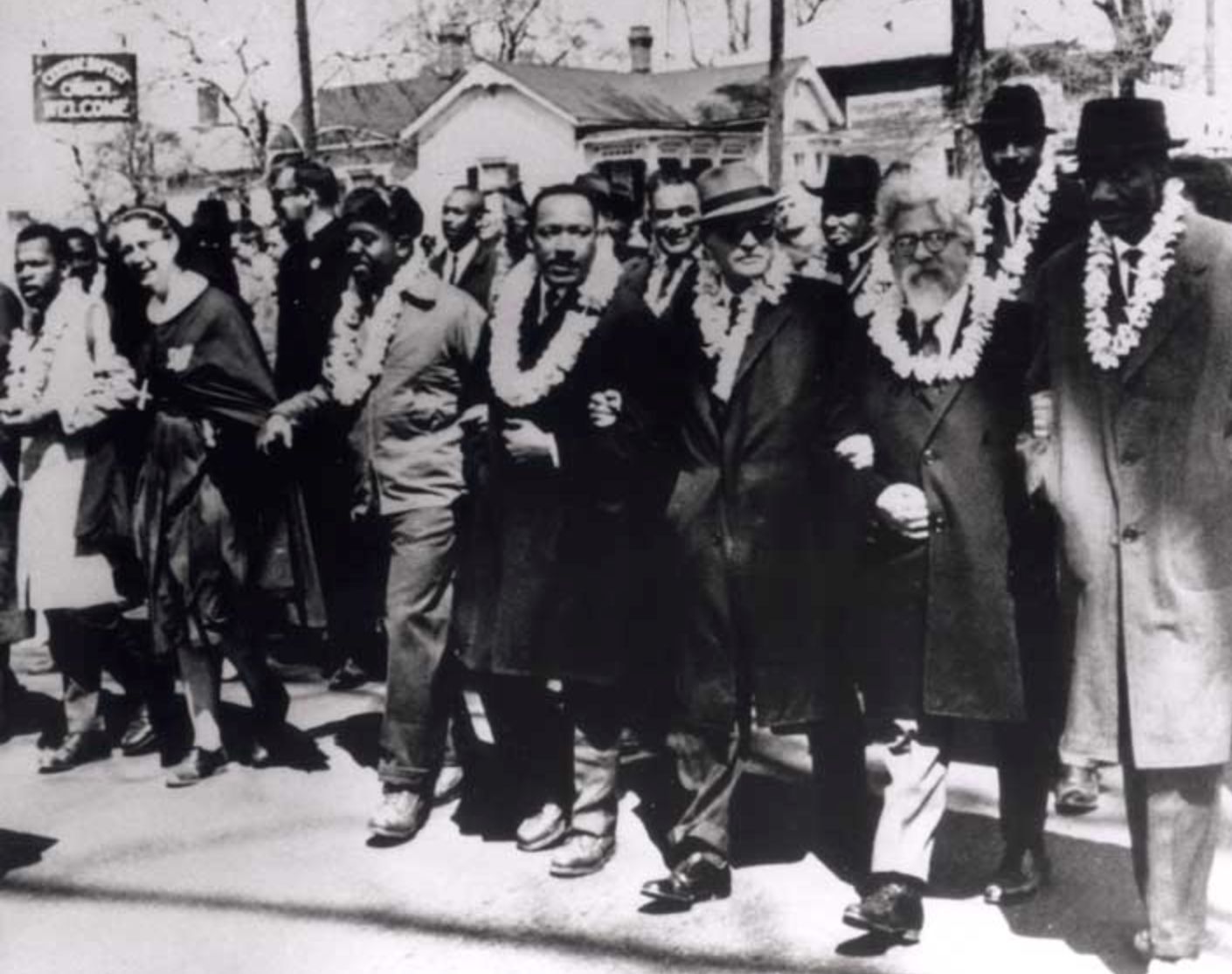
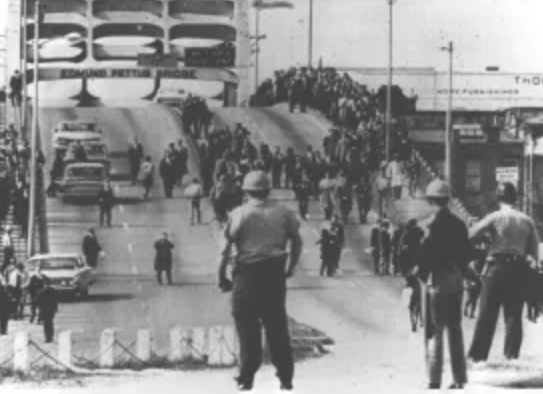
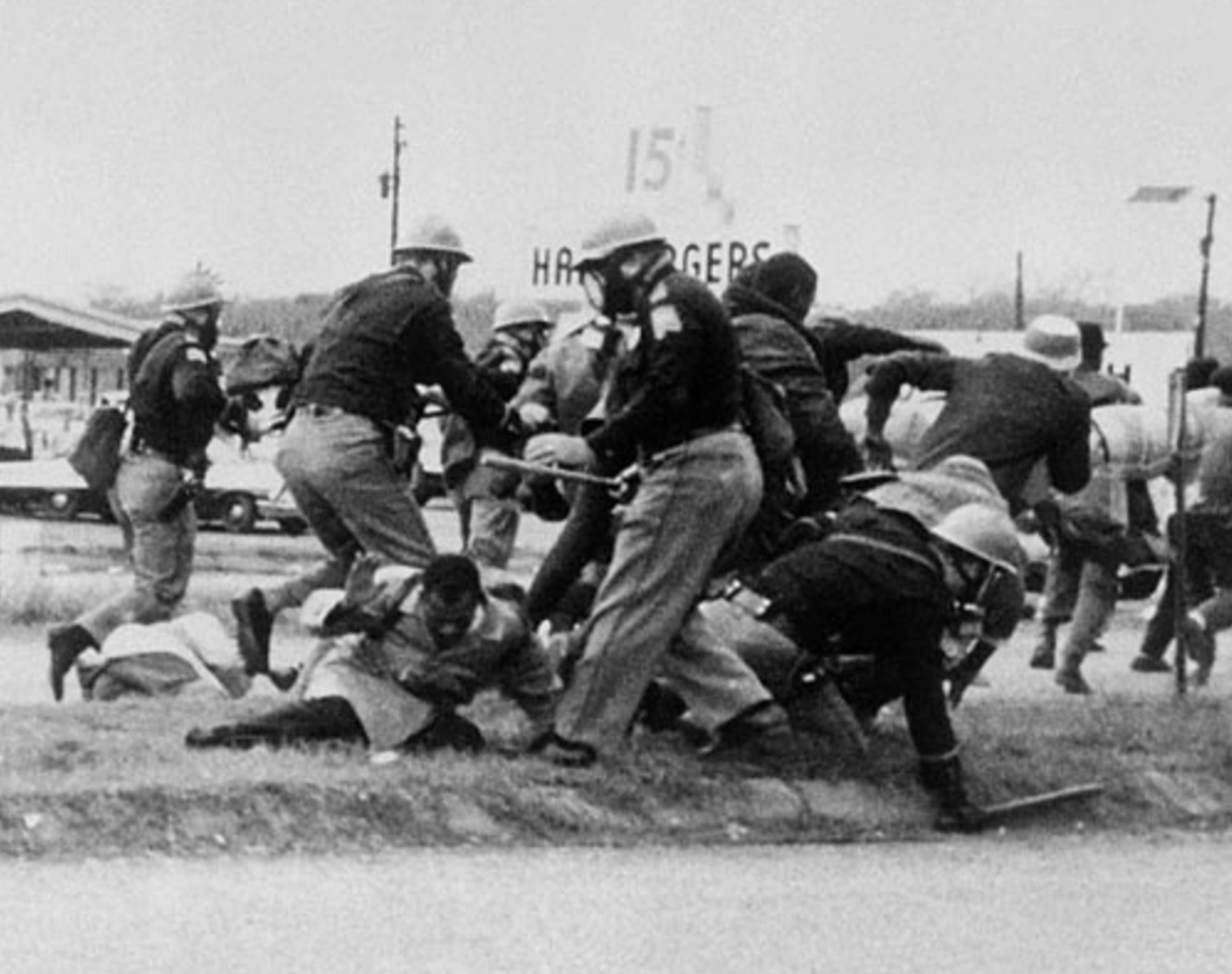
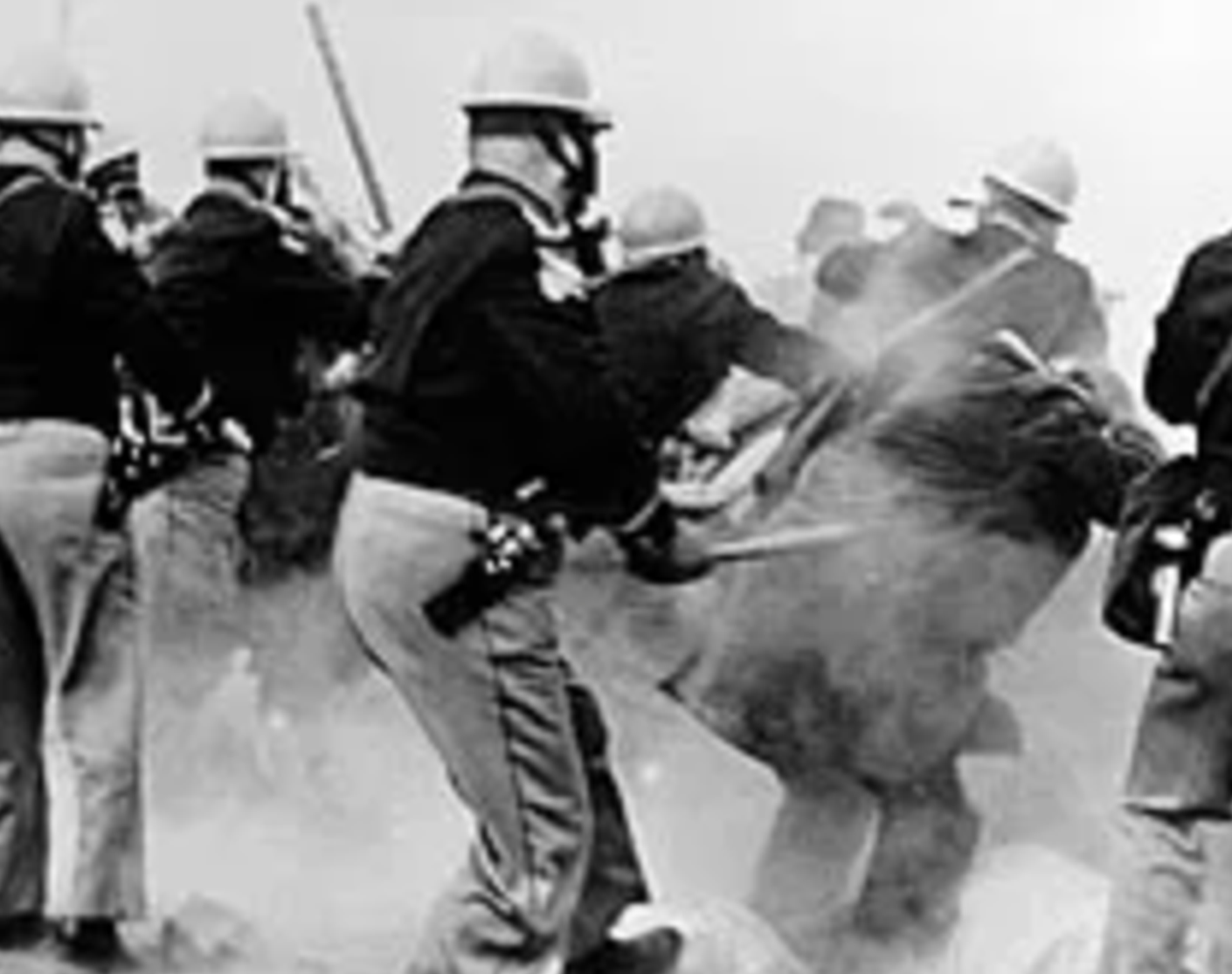
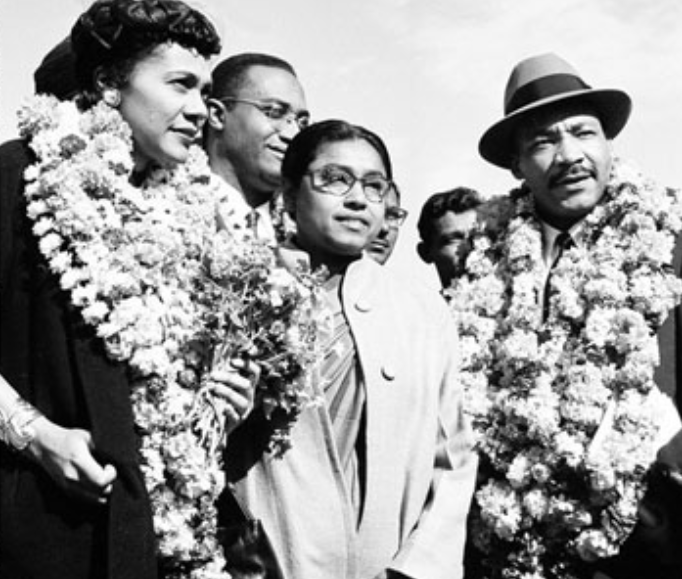
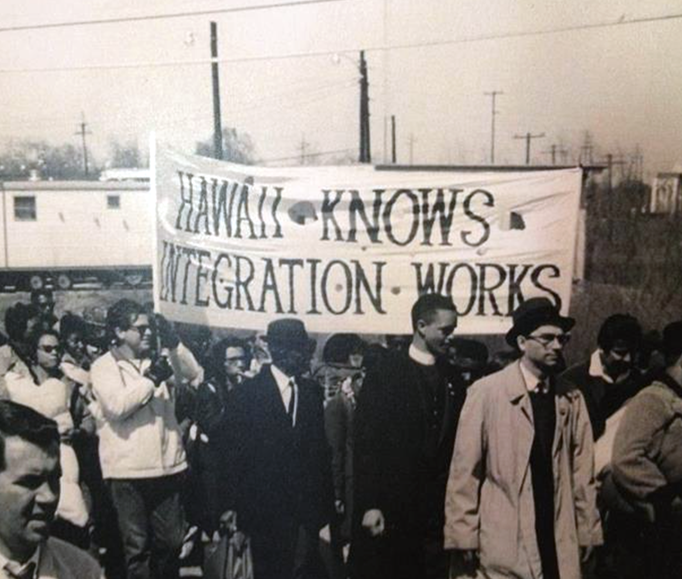
Massing at the Edmund Pettus Bridge on March 25 th 1965, Martin Luther King and the civil rights leaders knew the precariousness of their position. In a previous march across the bridge that month, the peaceful unarmed marchers had been savaged by State Troopers; beaten unconscious on the “Bloody Sunday” bridge. Several leaders had been murdered in broad daylight. Now blocked by fire hose cannons and mounted police cavalry, these freedom fighters had 3 things in common: a fierce faith in their fight for equality, a courageous determination to overcome the injustices of their time… and bright white leis hanging from their necks.
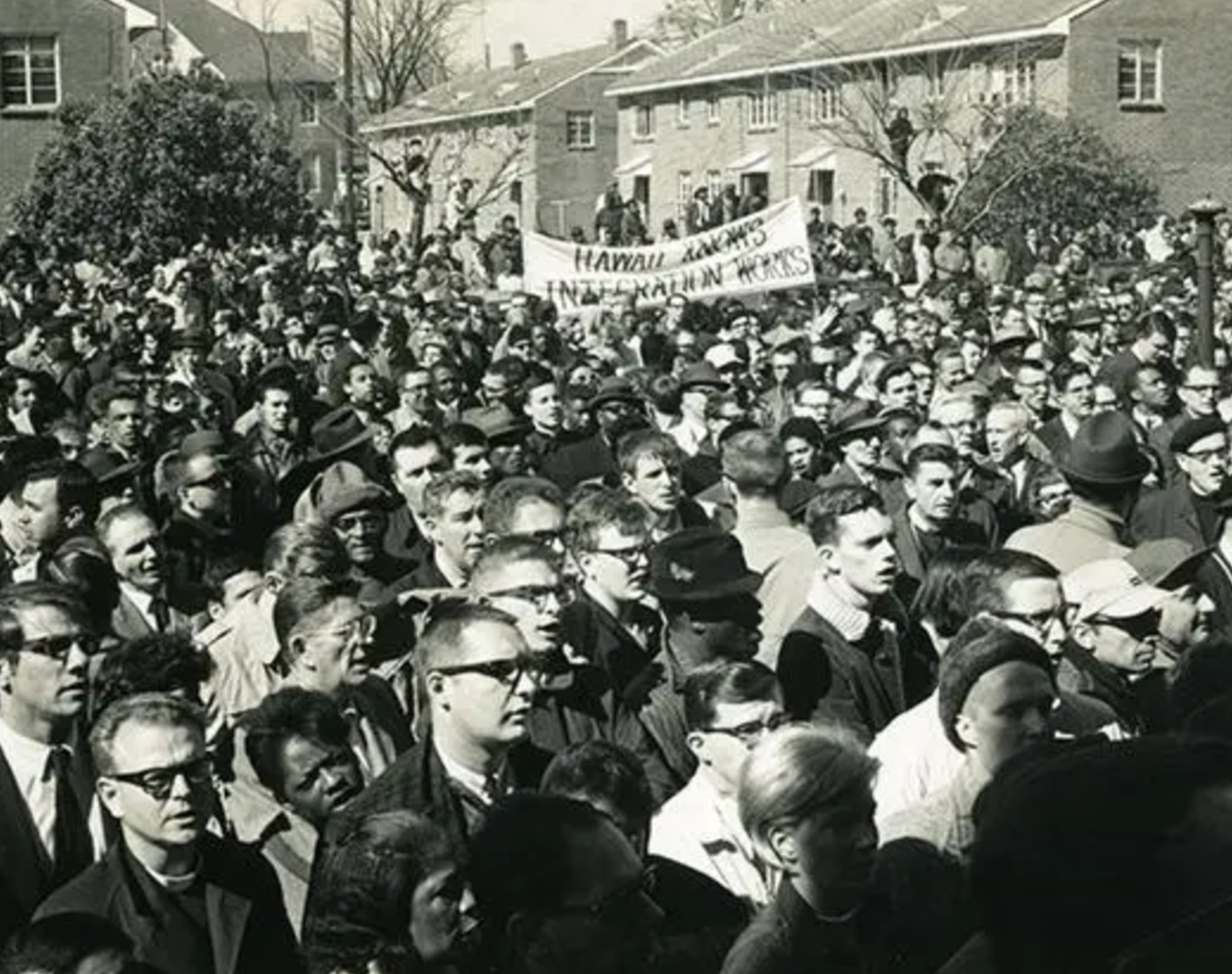
Wait, what? Leis? Like the ones from Polynesia? As astounding as it seems, Martin Luther King and Civil Rights marchers began their now legendary walk in Selma, Alabama 50 years ago today, wearing double carnation leis, sent straight from the Hawaiian Islands.
How did these white-flowered symbols of love, peace and goodwill end up around the necks of dozens of black civil rights leaders? The story is one filled with the kind of power that only great causes can induce.
The journey of those flowers from the deep South Pacific to the deep south of Selma started a year earlier, when King delivered a lecture at the University of Hawaii.
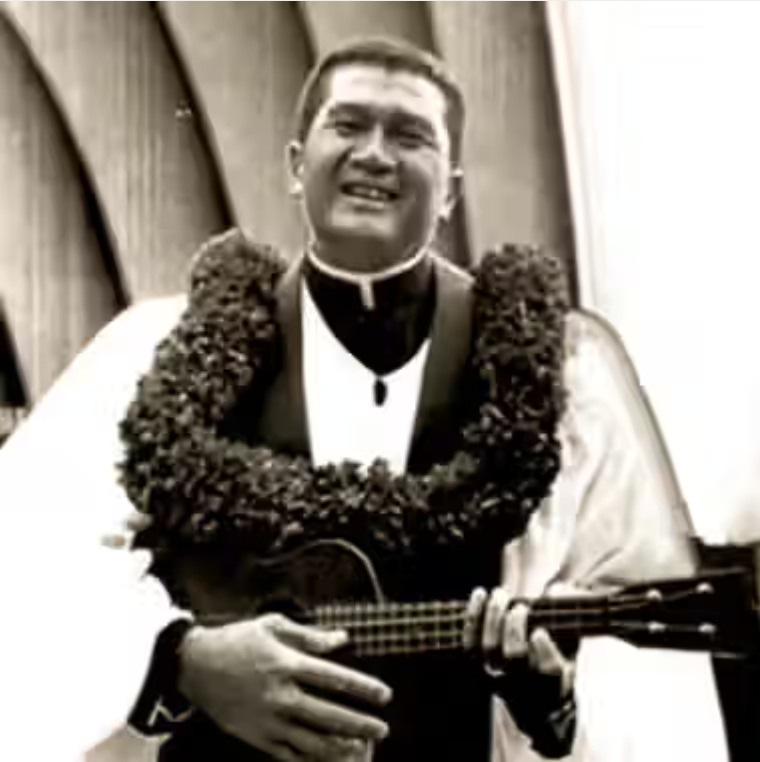
Rev. Abraham Akaka, then the chairman of the Hawaii Advisory Committee of the U.S. Civil Rights Commission was at the event and met King and developed a strong friendship.
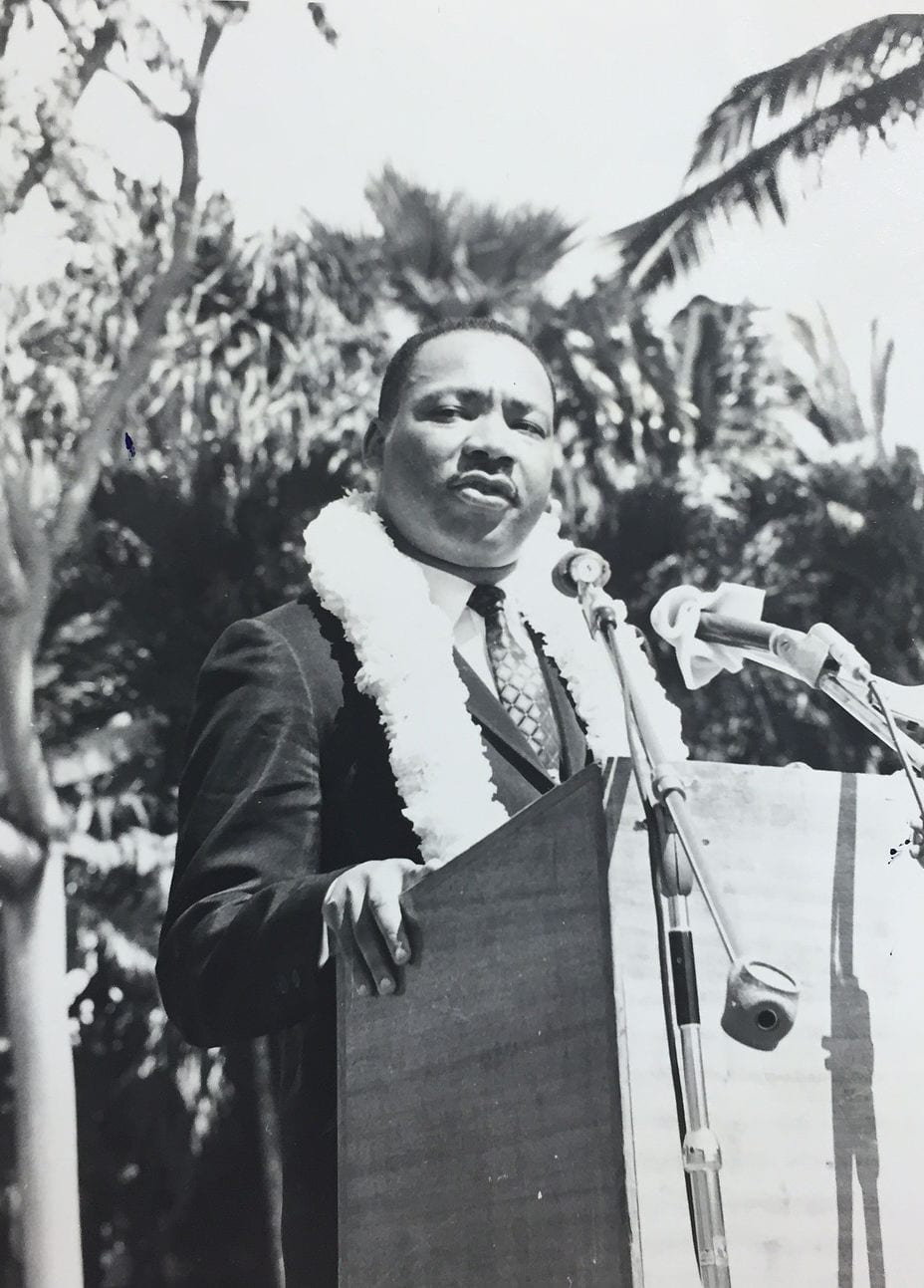
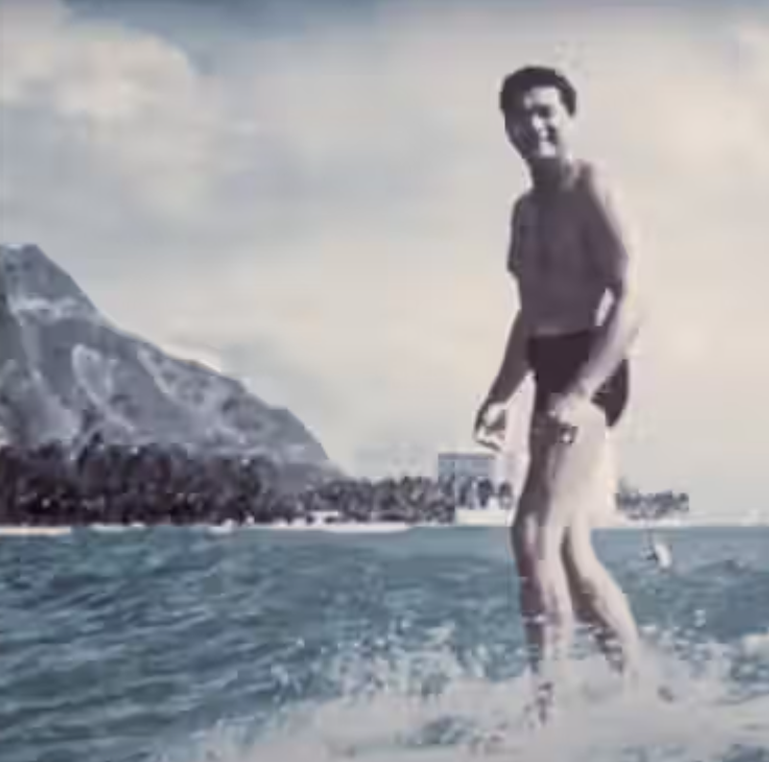
Best known by surfers for his blessings given before the great North Shore wave-riding events, Rev. Akaka has always been a man of deep commitment and spiritual ardor. Moved by King’s fervent and fiery oratory on that day at the University, Akaka decided that though he couldn’t be there with the marchers he could send them the most powerful gesture any Hawaiian could offer – a garland of flowers to wear as a symbolic affirmation of support, and a iconic gift of peace and protection.
Who would believe that the greatest civil rights event of the 1960s would have an intimate connection to Hawaiian culture and the Aloha spirit? Only those who know the power that a great wave of passion can inspire. Akaka knew that King represented all citizens who experienced discrimination – Hawaiians, Asians, and blacks alike. The movement that March of 1965 changed history for all Americans.

“The arc of the moral universe is long, but it bends towards justice,” is how MLK described it. Surfers might see it as natural as a wave bending around a point, moving with eternal energy towards its inevitable destination.
For decades surfers listened to Rev. Akaka bless surfing events and been unconsciously awed by the spirituality that seems to emanate like energy waves from his being. Now many of us understand why.
– Written by Jim Kempton
California Surf Museum Executive Director
Jim was lucky enough to have heard Rev. Akaka on many occasions. The most memorable was one blessing of the Duke Kahanamoku contest which was given during a rainstorm.
